Govt Continues Probe Into Sardine Deaths - PHV Virus Leading Explanation
Cape Town - The Department of Forestry, Fisheries and the Environment (DFFE) says investigations into the recent sardine mortality event are continuing, with no new mass-mortality incidents reported since 16 August 2026.
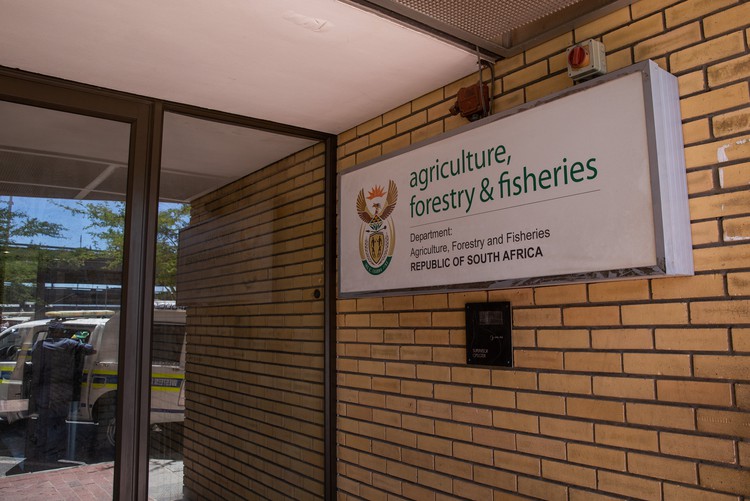
Images may be subject to copyright.
Govt Continues Probe Into Sardine Deaths - PHV Virus Leading Explanation
Cape Town - The Department of Forestry, Fisheries and the Environment (DFFE) says investigations into the recent sardine mortality event are continuing, with no new mass-mortality incidents reported since 16 August 2026.
The department said the absence of further large-scale deaths suggests the acute phase may have eased, but monitoring and testing are ongoing.
FINDINGS SO FAR:
Approximately 75 sardines have been included in the pilchard herpesvirus (PHV) testing programme.
Initial testing by the South African Institute for Aquatic Biodiversity and Rhodes University detected PHV genetic material in 15 fish. Of these, 10 fish collected from the mortality event showed consistently high viral levels. Viral levels varied among five fish caught alive that appeared healthy.
The viral sequence showed a 99.7% match to an Australian PHV gene.
DFFE has processed approximately 60 additional samples, with preliminary results for about half indicating high PHV levels. Confirmatory testing is continuing.
Pathological examinations of a further 40 samples are underway to determine gill inflammation and damage associated with active PHV disease.
OTHER CAUSES:
Investigations found no evidence that harmful algae were the primary cause.
"Paralytic shellfish toxins were not detected, while domoic acid and yessotoxin occurred only at low levels, with the highest concentrations in an apparently healthy comparison sample," DFFE said.
Examination of stomach contents and gill rinses found no harmful algae at densities likely to cause mortality.
Unusually cold water and low-oxygen conditions were observed on parts of the West Coast, but similar conditions were recorded during the recent pelagic recruitment survey prior to the event, when no dead sardines were observed.
"The apparent restriction of the mortality to sardines makes a general environmental cause less likely, although environmental conditions cannot yet be excluded as contributing stressors," the department said.
HUMAN HEALTH:
DFFE reiterated PHV poses no known risk to human health.
"There is no evidence that it can infect or cause disease in people. Its detection does not, by itself, mean that healthy sardines caught commercially or canned sardine products are unsafe to eat."
The public has been urged not to collect, consume or feed dead or dying sardines to pets.
COORDINATED RESPONSE:
A high-level task team comprising DFFE, affected municipalities, management authorities, fishing industry and stakeholders has agreed on a coordinated plan including expanded surveillance and testing, disposal guidance, public-health communication and assessment of impact on the sardine resource.
Further updates will be provided as confirmed results become available.
WHAT IT MEANS FOR THE PEOPLE OF GA-RANKUWA:
While Ga-Rankuwa is inland, the event has direct household implications:
1. Food Prices: Sardines and pilchards are an affordable protein source for many households. If the sardine resource is affected, canned fish prices at retailers could increase in coming months.
2. Food Safety: Canned sardines currently on shelves remain safe to consume. Residents should avoid buying dead or unverified fresh sardines sold informally outside formal supply chains.
3. Pet Safety: Residents should not feed dead or dying sardines to pets.
4. Jobs and Supply Chain: Disruptions in the small pelagic fishery could affect jobs in processing and retail supply chains nationally.
Source: http://SAnews.gov.za